As scientists predict the arrival of a new El Niño, concerns are mounting over its potential to intensify extreme weather events across the globe. This natural climate phenomenon, which involves the temporary warming of the tropical Pacific Ocean, can amplify heatwaves, floods, and wildfires. While El Niño itself is a cyclical pattern, its effects are now exacerbated by the backdrop of climate change driven by fossil fuel emissions. In this article, we break down the ten key things you need to know about the incoming El Niño, from its mechanics to its far-reaching impacts.
1. What Exactly Is El Niño?
El Niño is the warm phase of the El Niño-Southern Oscillation (ENSO), a semi-regular climate cycle in the tropical Pacific Ocean. During this phase, vast amounts of heat stored in the ocean are released into the atmosphere, temporarily raising the average global surface temperature by up to 0.3°F. This shift disrupts normal weather patterns, affecting everything from rainfall distribution to storm intensity. Unlike random weather events, El Niño follows a predictable rhythm, occurring every two to seven years, but its effects are now more pronounced due to a warmer baseline climate.
2. Heatwaves Become More Frequent and Intense
The extra heat from El Niño feeds into an already overheated planet, making heatwaves longer and more severe. Regions like Southeast Asia, Australia, and parts of South America are particularly vulnerable. For instance, the 2015-2016 El Niño contributed to record-breaking heat in India and Pakistan, causing thousands of deaths. This year, with global temperatures already elevated, even a moderate El Niño could push heat extremes beyond historical norms, straining power grids and public health systems.
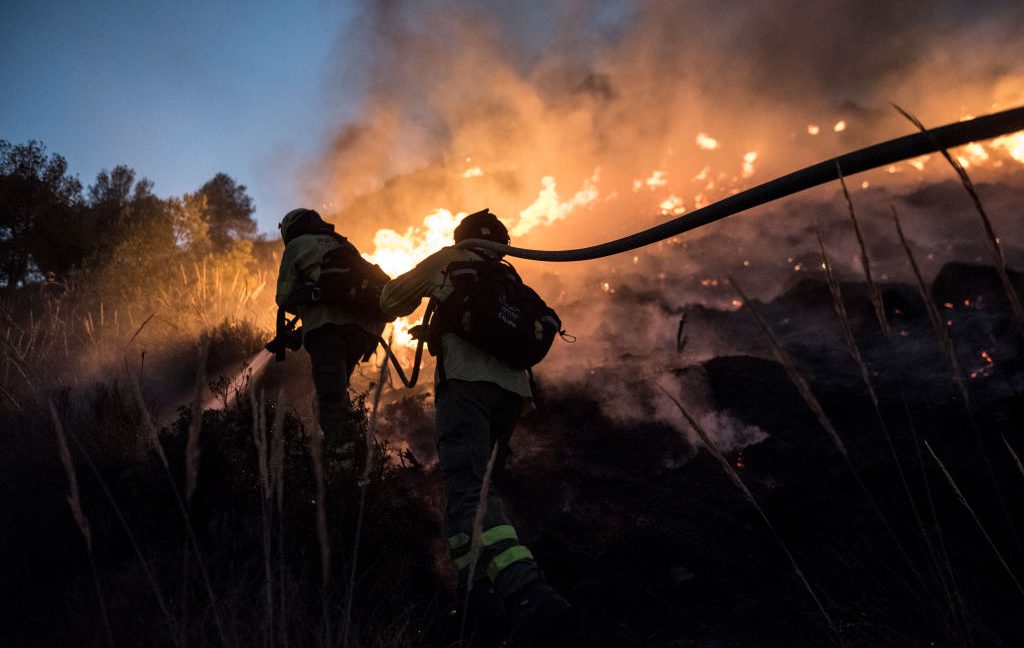
3. Increased Risk of Wildfires in Dry Regions
El Niño often brings drier conditions to areas such as the Amazon rainforest, Indonesia, and western North America. Combined with higher temperatures, this dryness creates ideal conditions for wildfires. During the 2015-2016 event, Indonesia saw massive peatland fires that released tons of carbon dioxide. In 2024, forecasters warn that similar conditions could lead to uncontrolled blazes, threatening biodiversity and air quality. Firefighting resources will be stretched, and early warning systems are being upgraded to mitigate the risk.
4. Floods and Heavy Rainfall in Unexpected Places
While some regions dry out, others get drenched. El Niño shifts the jet stream, often leading to above-average rainfall along the Pacific coast of the Americas and in parts of East Africa. Heavy downpours can cause flash floods, landslides, and infrastructure damage. For example, the 1997-1998 El Niño triggered devastating floods in Peru and California. This year, cities like Lima and San Francisco are bracing for potentially record-breaking precipitation, which could overwhelm drainage systems and disrupt transportation.
5. Global Temperatures Could Temporarily Spike
Scientists estimate that a strong El Niño can raise the global average temperature by an additional 0.2-0.3°C on top of the existing warming trend. This means 2024 could become the hottest year on record, surpassing 2023's highs. The temporary spike, however, does not mean the climate is permanently changed; it is a natural variability on top of human-caused warming. Still, it underscores the urgency of reducing emissions, as each El Niño event now occurs in a hotter world, amplifying its impacts.
6. Agriculture and Food Security at Risk
Both droughts and floods from El Niño threaten crop yields. Key agricultural regions like the U.S. Great Plains, the Indian subcontinent, and Southeast Asia may face reduced harvests due to erratic weather. In Australia, El Niño often leads to lower wheat and barley output. Food prices can spike, hitting vulnerable populations hardest. During the 2015-2016 event, global food aid needs rose by 20%. Farmers are advised to diversify crops and adopt water-saving techniques, but the scale of the challenge remains enormous.
7. Economic Consequences Could Reach Billions
The combined effects of extreme weather—wildfires, floods, heatwaves—can cause devastating economic losses. A study by Dartmouth College found that major El Niño events can cost the global economy trillions of dollars in lost productivity and damages. Insurance claims rise, supply chains disrupt, and reconstruction strains government budgets. In 2024, sectors like tourism, fishing, and agriculture are particularly exposed. Governments are urged to invest in resilient infrastructure and disaster preparedness to soften the blow.
8. Public Health Concerns Grow
Heatwaves and floods directly impact human health. Heat-related illnesses like heatstroke and dehydration become more common, especially among the elderly and outdoor workers. Floods can contaminate water supplies, leading to outbreaks of diseases like cholera and dengue fever. During El Niño, malaria incidence often increases in parts of Africa and South America due to changing mosquito habitats. Hospitals and clinics must prepare for surges, and public awareness campaigns are critical to reduce risks.
9. Comparisons to Past El Niño Events
The upcoming El Niño is being compared to the strong events of 1982-1983 and 1997-1998, which caused widespread damage. However, researchers note that today’s climate is about 1.2°C warmer than in the late 19th century, meaning the consequences of even a similar-strength El Niño are worse. For instance, the ocean heat content is much higher, fueling stronger storms and longer heatwaves. This underscores that while El Niño is natural, its impacts are now supercharged by climate change.
10. Climate Change Remains the Main Driver
Despite the dramatic effects of El Niño, scientists emphasize that the long-term warming from burning fossil fuels is the primary cause of climate extremes. El Niño is a temporary amplifier, but without the underlying warming trend, its effects would be less destructive. Reducing greenhouse gas emissions is the only way to curb the escalating severity of events like wildfires, floods, and heatwaves. As we brace for this El Niño, the focus must remain on transitioning to renewable energy and building a sustainable future.
In conclusion, the incoming El Niño is a powerful reminder of how natural climate cycles intersect with human-induced warming. While we cannot prevent El Niño, we can prepare for its consequences and accelerate efforts to decarbonize our economy. The coming months will test our resilience, but they also offer an opportunity to strengthen global cooperation and climate action. Stay informed, stay safe, and support policies that protect our planet.