When Apple and OpenAI announced their partnership to integrate ChatGPT into Apple’s ecosystem, it seemed like a match made in tech heaven. But as with many whirlwind romances, the honeymoon phase may be over. Reports now suggest that OpenAI is considering legal action against Apple, alleging that the iPhone maker hasn’t lived up to its end of the bargain. Meanwhile, Apple is reportedly turning to Google’s Gemini to help power Siri, adding a new layer of complexity. Here are six critical things you need to know about this unfolding drama.
1. The Partnership’s Original Promise
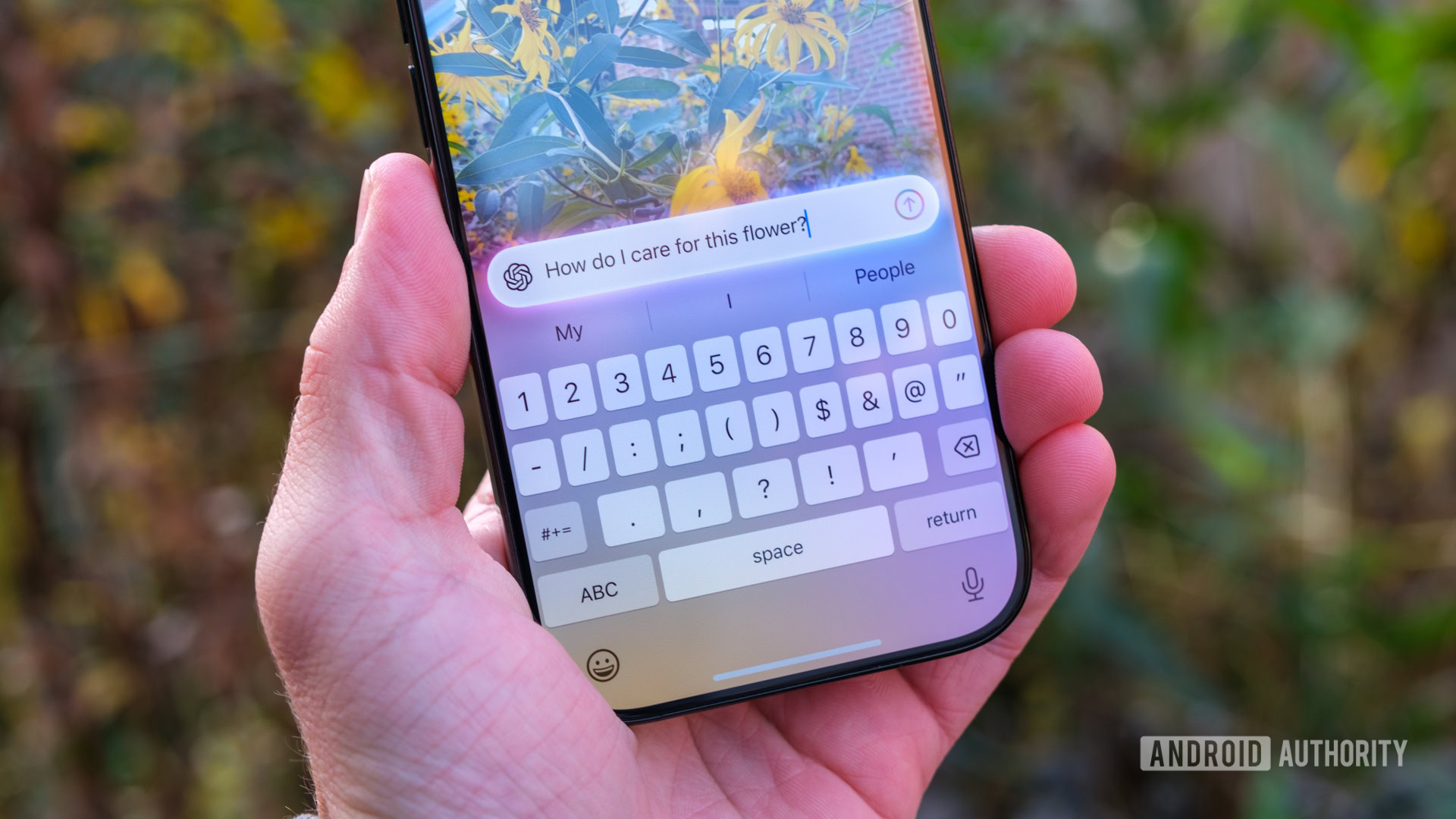
When Apple announced its deal with OpenAI in early 2024, the goal was clear: bring ChatGPT’s conversational AI capabilities into Apple’s software ecosystem, including Siri, Messages, and other apps. For OpenAI, this was a golden opportunity to reach millions of Apple users, potentially driving subscriptions and solidifying its position in the consumer AI market. Apple, in turn, wanted to enhance its AI offerings without building everything from scratch. The deal was structured to let ChatGPT handle complex queries that Siri couldn’t answer, with deep integration into iOS, iPadOS, and macOS. Both sides expected a mutually beneficial relationship—OpenAI would gain user data and premium subscribers, while Apple would get a cutting-edge AI assistant without the development cost.
2. OpenAI’s Unmet Expectations
Fast forward several months, and OpenAI’s leadership is reportedly disappointed. The company anticipated a surge in ChatGPT subscriptions as Apple users discovered the AI’s capabilities, but those numbers haven’t materialized as hoped. OpenAI insiders claim that Apple has not promoted the ChatGPT integration aggressively enough—placement in Siri is minimal, and users often overlook the feature. Worse, OpenAI feels that Apple hasn’t given ChatGPT the deep access it expected within the operating system. Instead of being a core part of Siri’s brain, ChatGPT is treated as an optional add-on, limiting its visibility and utility. This shortfall has led to internal frustration and raised questions about the value of the partnership.
3. The Legal Threat on the Horizon
According to a report from Bloomberg, OpenAI has retained an external law firm to explore legal options against Apple. The company is considering sending a notice of breach of contract, arguing that Apple failed to deliver the agreed-upon integration depth and promotional support. No final decision has been made, and OpenAI still hopes to resolve the matter out of court. However, the mere threat of litigation signals that tensions are high. A legal battle could be messy for both sides, potentially exposing confidential terms and damaging public perception. OpenAI’s move is a high-stakes gambit to pressure Apple into renegotiating or improving the partnership’s execution.
4. Apple’s Shift Toward Gemini
Adding fuel to the fire, Apple is reportedly testing Google’s Gemini AI model as an alternative—or supplement—to ChatGPT for powering Siri. This development suggests that Apple is hedging its bets and may not be fully committed to the OpenAI relationship. Gemini offers strong performance and could integrate more seamlessly with Apple’s own machine learning frameworks. For Apple, bringing in another AI partner might be a way to reduce dependency on a single vendor and gain leverage in negotiations. However, this move also risks alienating OpenAI and further eroding trust. It’s a classic case of keeping options open while tensions simmer.
5. The Subscriber Disconnect
One of the core issues is the misalignment between OpenAI’s business model and Apple’s user experience philosophy. OpenAI relies heavily on ChatGPT Plus subscriptions to generate revenue. But Apple has historically shied away from aggressive upsells within its core services. The ChatGPT integration in Apple devices does offer a way to subscribe, but it’s not prominently displayed. Users who encounter ChatGPT through Siri are often unaware they can upgrade to a paid plan. This disconnect means OpenAI isn’t seeing the conversion rates it anticipated. Apple’s ecosystem is vast, but without proper marketing and placement, the subscription funnel remains narrow. OpenAI feels it was promised a more direct path to monetization.
6. What’s Next for the AI Ecosystem
The outcome of this dispute could shape the future of AI partnerships in the smartphone industry. If OpenAI sues Apple and wins, it may set a precedent for how AI companies enforce integration terms with big platforms. Conversely, if Apple successfully pivots to Gemini or other models, it could encourage more open competition among AI providers. Consumers stand to benefit from better AI assistants, but the immediate uncertainty might slow down innovation. For now, both companies are publicly silent, but behind the scenes, lawyers are preparing for a potential courtroom showdown. The tech world is watching closely—this is a relationship that could end in a messy breakup or a renegotiated deal.
Conclusion
The Apple-OpenAI partnership, once hailed as a visionary collaboration, now appears strained by unmet expectations and shifting loyalties. OpenAI’s legal considerations and Apple’s exploration of Gemini underscore the volatile nature of AI alliances. Whether the two companies can mend fences or will go to court remains to be seen, but one thing is clear: the landscape of AI integration in consumer devices is more competitive and unpredictable than ever. Stay tuned as this story continues to develop.